Stop Asking for a Seat. Build Your Own Table.
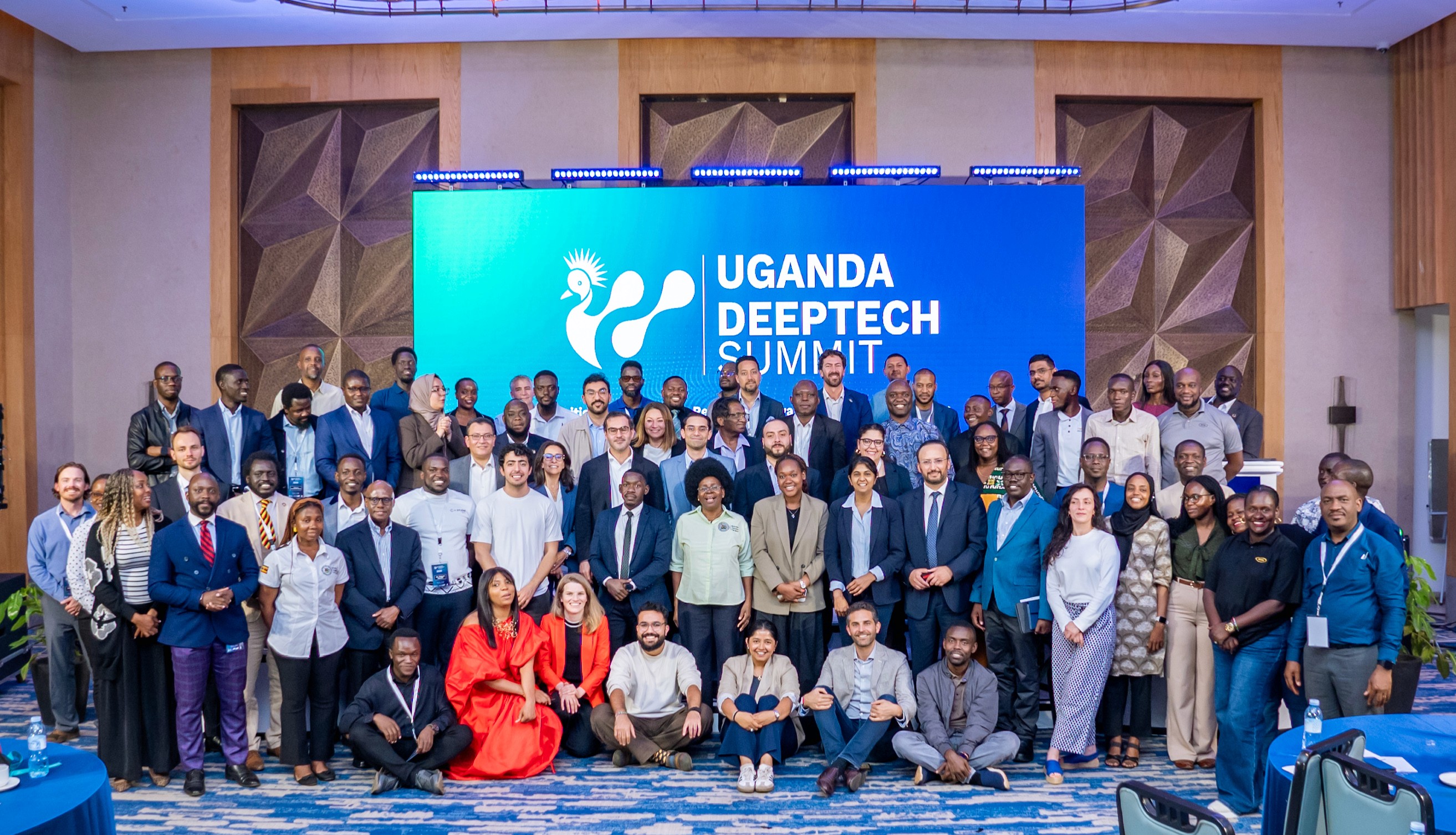
“No body is coming to save Africa” That line came from a panelist at last week's DeepTech Summit in Kampala. He said it plainly, without drama, and moved on. The room didn't flinch. Because the people on that stage weren't waiting for anyone. They were already building.
I spent two days moderating panels on AI infrastructure, data, education, talent, and policy. What I heard wasn't hype. It was a clear-eyed diagnosis from builders, operators, and policymakers who are working through the real constraints, energy, capital, regulation, access, with no safety net and no cavalry coming.
Here is what the room taught me.
Africa is sitting on the single most important input for the AI economy, and almost nobody is talking about it. Not data. Not talent. Energy. AI is not software. It is infrastructure. Data centers are, at their core, massive consumers of electricity. The biggest constraint facing American AI companies right now isn't chips or engineers, it's power. States are pushing back. Hospitals and schools are competing with data centers for electricity. Even the most powerful government in the world is feeling the political cost of it.
Africa has the opposite problem. The continent holds 20% of the world's land and 60% of its solar potential. Add hydro, Uganda alone has significant capacity, and wind, and you have the cheapest, most abundant energy base on the planet. Less than one percent of global data center capacity sits on this continent. That is not a development failure. It is an architectural opening. One panelist from Tunisia is already working through it, generating cheap solar in the south, transporting it north, and exporting compute to the world. The model works. It just needs to scale.
The data opportunity is equally urgent, and the window is shorter than most people realize. The big AI labs have run out of public internet data. They have scraped everything available. Now they need private data, health records, agricultural patterns, financial behavior, government systems. The kind of data that lives in African institutions, collected over decades, largely untouched. Right now, that data is being extracted for free, processed elsewhere, and returned as products at a markup. The model is familiar. It is the same one that took African raw materials and sold them back as finished goods. The difference this time is that the window to renegotiate the deal is still open. Governments and institutions sitting on high-value datasets have something the world's most powerful AI companies urgently need. The question is whether Africa builds the legal and institutional architecture to monetize that, or gives it away again.
Infrastructure alone is not enough. One panelist described providing compute access to organizations that then had no idea what to do with it. The hardware was there. The readiness wasn't. This is not a criticism of the users. It is a systems failure. Compute needs to be accessible by the hour, paid in local currency, usable on a mobile phone, priced for a startup in Nairobi or a university in Kampala, not calibrated for a company in California. As another panelist put it, AI needs to make sense to a farmer in southern Uganda. If it doesn't reach her, it hasn't worked.
Regulation is running in every direction at once. One speaker has spent years working with African governments on data policy and described sitting in rooms building continental AI frameworks for countries that didn't yet have a national data law. Grand architecture, shallow foundation. At the same time, a voice AI company operating across 15 African countries described a different problem, regulatory environments that change completely from one border to the next, and sometimes within the same country. For any business trying to build at scale, this is not a nuisance. It is a ceiling. The answer is not a single African law. It is aligned principles, frameworks that allow for local context without making cross-border growth structurally impossible. And underneath all of it is a harder truth: the global AI standards that African governments are now adopting were written without African input. The continent is implementing rules it didn't draft, for a technology it didn't design, to govern a future it hasn't been invited to shape. That has to change, not by waiting for an invitation, but by showing up with something worth contributing.
The capital problem is the most honest conversation nobody wants to have in public. One panelist walked through the numbers. Elon Musk built a 100,000 GPU cluster. Meta just announced 600,000. The entire African continent, pooling everything it has, might reach 10,000. And 10,000 GPUs costs over 700 million dollars, priced in US dollars, against revenues collected in local currencies. That gap is structural. But history offers a precedent. In the 1980s, manufacturing shifted from the US and Europe to China and Asia because of one thing: price. Labor was cheaper. Capital followed. Now compute is following the same logic. Energy is cheaper in Africa than almost anywhere else on earth. Running a data center here costs a fraction of what it costs in France or California. If Africa moves fast enough, it doesn't need to chase capital. It becomes the place capital comes to.
I ended each session by asking one question: what is the one action you are committing to in the next twelve months? The answers were different, more investment, more access, local language models, open protocols, policy alignment. But the conviction underneath them was the same. Africa missed parts of previous industrial revolutions. Not because of a lack of intelligence or ambition. Because the infrastructure, the capital, and the policy conditions weren't aligned in time. This time, the technology is still being written. The standards aren't locked. The dominant platforms aren't decided. And Africa has something it didn't have before, the energy foundation to power its own future, and a generation of builders who are not asking anyone for permission.
The window is open. It will not stay open.
—
Elyas Felfoul
Director, Summits & Partnerships + EdTech (WISE)